
Contents
- 📋 Prerequisites & What You Need
- 🔧 Step 1: Choose the Right Shelf Support
- ⚙️ Step 2: Measure and Mark the Wall
- 🎯 Step 3: Drill Pilot Holes and Install Shelf Support
- ✅ Step 4: Hang the Shelf
- 🚀 Step 5: Add Finishing Touches
- ⚠️ Common Mistakes & How to Avoid Them
- 💰 Cost & Time Breakdown
- 📊 Expected Results & Metrics
- 💡 Pro Tips & Advanced Techniques
- Frequently Asked Questions
- References
- Related Topics
Overview
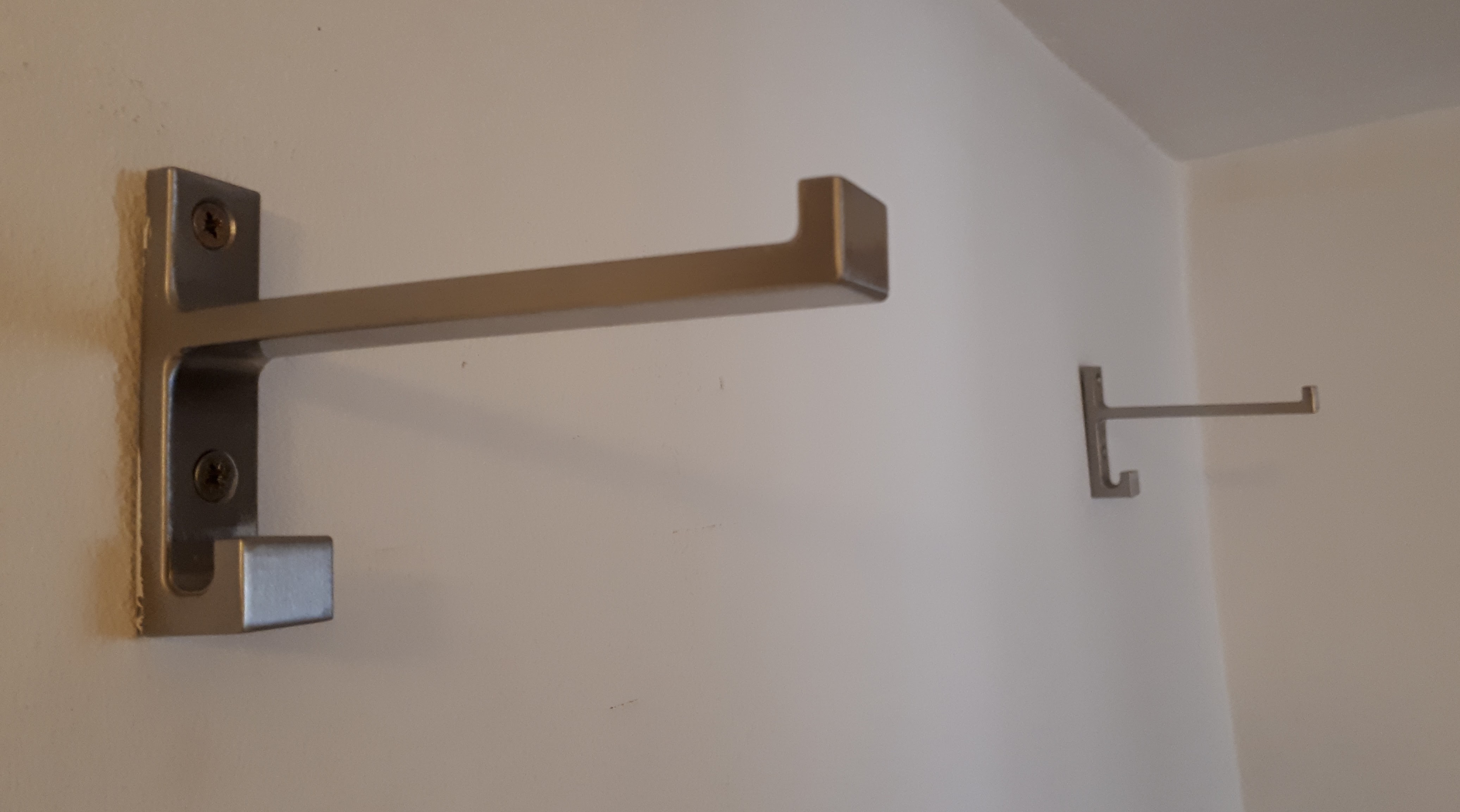
Before you start, make sure you have all the necessary materials, including a shelf, shelf support, drill, level, and screws. The type of shelf support you need will depend on the weight and size of the shelf, as well as the type of wall you are working with. For example, if you are hanging a heavy shelf, you may need to use a more robust shelf support, such as an L-shaped shelf bracket, which is also known as an angle bracket.
🔧 Step 1: Choose the Right Shelf Support
The first step in hanging a shelf is to choose the right shelf support. There are several different types of shelf supports available, including L-shaped shelf brackets, cabinet shelf supports, and shelf pins. The type of shelf support you need will depend on the weight and size of the shelf, as well as the type of wall you are working with.
⚙️ Step 2: Measure and Mark the Wall
Once you have chosen the right shelf support, the next step is to measure and mark the wall. Use a level to ensure the shelf will be straight, and a pencil to mark the spot where you will drill the pilot hole. Make sure to measure carefully and double-check your marks to avoid mistakes. You can use a Stanley level and a DeWalt drill to make the process easier. Additionally, you can use a Laser Level to ensure accuracy.
🎯 Step 3: Drill Pilot Holes and Install Shelf Support
The next step is to drill pilot holes and install the shelf support. Use a drill bit that is slightly smaller than the screw to avoid damaging the wall. Hold the shelf support in place and screw it into the wall, making sure it is level and secure. You can use a Makita drill and Bosch screws to make the process easier. It's also a good idea to use a Stud Finder to locate the wall studs.
✅ Step 4: Hang the Shelf
Once the shelf support is installed, the next step is to hang the shelf. Place the shelf on the support and screw it into place, making sure it is level and secure. You can use a Rubber Mallet to tap the shelf into place and avoid damaging the wall. Additionally, you can use a Level to ensure the shelf is straight.
🚀 Step 5: Add Finishing Touches
The final step is to add finishing touches, such as adding decorative trim or painting the shelf to match the surrounding area. Make sure the shelf is level and secure before adding any finishing touches. You can use a Minwax stain and a Purdy paintbrush to make the process easier.
⚠️ Common Mistakes & How to Avoid Them
Common mistakes to avoid when hanging a shelf include not measuring carefully, not using the right type of shelf support, and not screwing the shelf into place securely. To avoid these mistakes, make sure to measure carefully, choose the right shelf support, and screw the shelf into place securely. You can find more information about common mistakes and how to avoid them on YouTube and r/ DIY.
💰 Cost & Time Breakdown
To estimate the cost and time required for the project, make sure to measure carefully and choose the right materials.
📊 Expected Results & Metrics
The expected results of hanging a shelf include a sturdy and level shelf that can hold the desired weight. To achieve these results, make sure to measure carefully, choose the right shelf support, and screw the shelf into place securely. You can use a Level and a Stud Finder to make the process easier.
💡 Pro Tips & Advanced Techniques
Pro tips and advanced techniques for hanging a shelf include using a laser level to ensure the shelf is straight, and using a drill with a screwdriver bit to make the process easier. You can also use a Kreg jig and a Festool drill to make the process easier.
Key Facts
- Origin
- United States
- Category
- guides
- Type
- concept
- Format
- how-to
Frequently Asked Questions
What type of shelf support should I use?
The type of shelf support you should use depends on the weight and size of the shelf, as well as the type of wall you are working with. For example, if you are hanging a heavy shelf, you may need to use a more robust shelf support, such as an L-shaped shelf bracket.
How do I measure and mark the wall?
To measure and mark the wall, use a level to ensure the shelf will be straight, and a pencil to mark the spot where you will drill the pilot hole. Make sure to measure carefully and double-check your marks to avoid mistakes.
What are some common mistakes to avoid when hanging a shelf?
Common mistakes to avoid when hanging a shelf include not measuring carefully, not using the right type of shelf support, and not screwing the shelf into place securely. To avoid these mistakes, make sure to measure carefully, choose the right shelf support, and screw the shelf into place securely.
What are some pro tips and advanced techniques for hanging a shelf?
Pro tips and advanced techniques for hanging a shelf include using a laser level to ensure the shelf is straight, and using a drill with a screwdriver bit to make the process easier.