
Contents
- 📋 Prerequisites & What You Need
- 🔧 Step 1: Identify the Cause of the Clog
- ⚙️ Step 2: Use a Plunger or Plumbing Snake
- 🎯 Step 3: Use Baking Soda and Vinegar
- ✅ Step 4: Use Chemical Drain Openers
- 🚀 Step 5: Prevent Future Clogs
- ⚠️ Common Mistakes & How to Avoid Them
- 💰 Cost & Time Breakdown
- 📊 Expected Results & Metrics
- 💡 Pro Tips & Advanced Techniques
- Frequently Asked Questions
- References
- Related Topics
Overview
Unclogging a drain can be a daunting task, but with the right tools and techniques, it can be done efficiently and effectively. This guide will walk you through the process of unclogging a drain, from identifying the cause of the clog to using chemical drain openers like Liquid-Plumr. According to the American Water Works Association, clogged drains are one of the most common plumbing issues, affecting millions of households every year. By following the steps outlined in this guide, you can avoid the hassle and expense of calling a plumber and take care of your drain clogs yourself. Additionally, regular maintenance can help prevent clogs, as recommended by the National Plumbing Code.
📋 Prerequisites & What You Need
Before you start, make sure you have the necessary tools and materials, including a plunger, plumbing snake, baking soda, vinegar, and chemical drain openers like Liquid-Plumr. It's also a good idea to wear protective gloves and eyewear to avoid injury, as recommended by the Occupational Safety and Health Administration.
🔧 Step 1: Identify the Cause of the Clog
The first step in unclogging a drain is to identify the cause of the clog. Check the drain for any visible blockages, such as hair or soap scum, and remove them if possible. If the clog is further down the pipe, you may need to use a plumbing snake or auger to reach it. The Plumbing-Heating-Cooling Contractors Association recommends using a plumbing snake to clear clogs in pipes with a diameter of 1-2 inches.
⚙️ Step 2: Use a Plunger or Plumbing Snake
If the clog is minor, you may be able to clear it using a plunger or plumbing snake. Apply a small amount of petroleum jelly to the rim of the plunger and place it over the drain, then push down slowly and steadily to create suction. If the clog is more severe, you may need to use a plumbing snake to break it up. The Home Depot website provides a detailed guide on how to use a plumbing snake to clear clogs.
🎯 Step 3: Use Baking Soda and Vinegar
Another effective method for unclogging a drain is to use baking soda and vinegar. Pour 1 cup of baking soda down the drain, followed by 1 cup of vinegar. Let the mixture sit for a few hours or overnight, then pour hot water down the drain to rinse it out. This method is especially useful for clearing clogs caused by grease and oil, as noted by the National Sanitation Foundation.
✅ Step 4: Use Chemical Drain Openers
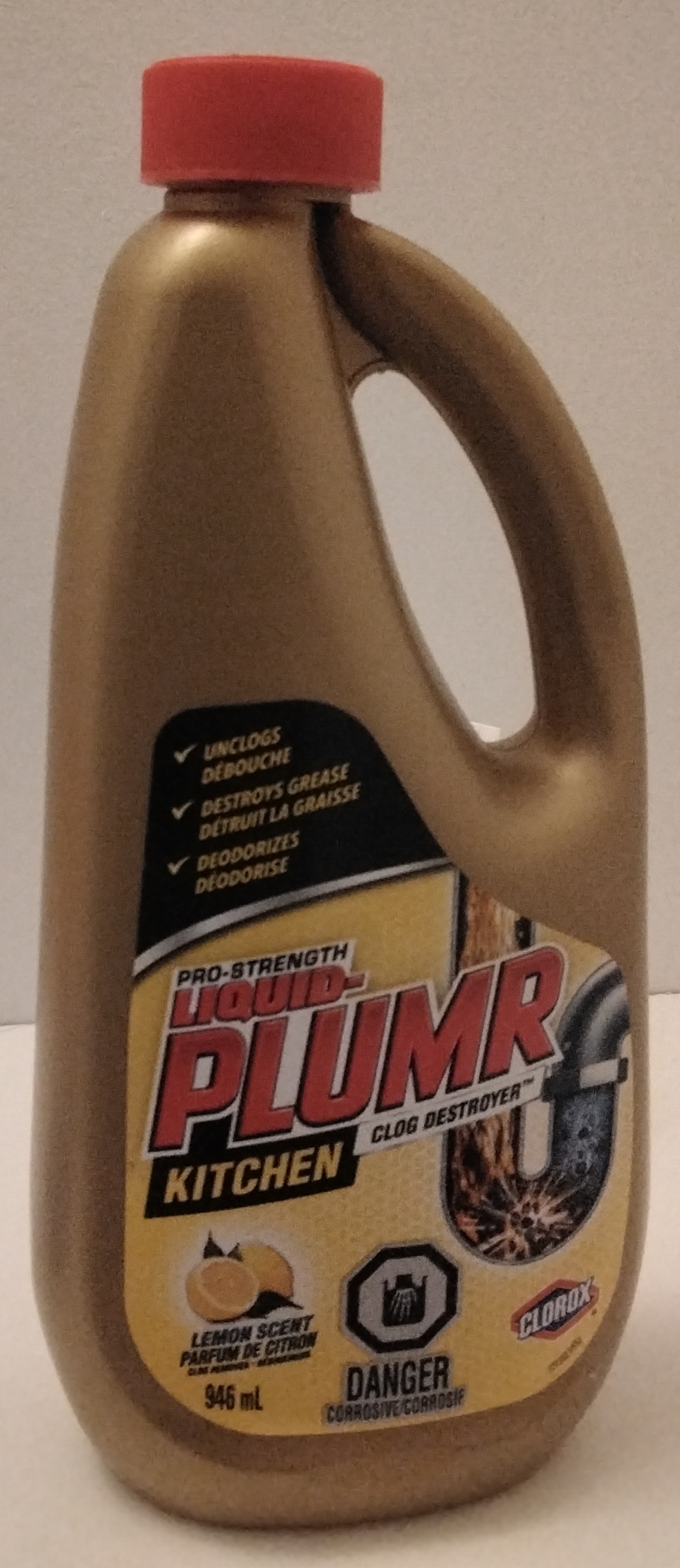
If the clog is particularly stubborn, you may need to use chemical drain openers like Liquid-Plumr. These products contain sodium hydroxide and sodium hypochlorite, which can dissolve and break up tough clogs. However, be sure to follow the manufacturer's instructions and take necessary safety precautions, as chemical drain openers can be hazardous if not used properly. The Clorox website provides safety guidelines and usage instructions for their Liquid-Plumr products.
🚀 Step 5: Prevent Future Clogs
To prevent future clogs, make sure to regularly clean and maintain your drains. Run hot water through the drain after each use, and consider using a drain screen or filter to catch hair and other debris. You can also use natural cleaners like baking soda and vinegar to keep your drains flowing freely. The Natural Resources Defense Council recommends using eco-friendly cleaning products to reduce the risk of clogs and protect the environment.
⚠️ Common Mistakes & How to Avoid Them
Common mistakes to avoid when unclogging a drain include using too much force, which can damage the pipes, and not wearing protective gear, which can lead to injury. It's also important to avoid using chemical drain openers too frequently, as they can damage the pipes and harm the environment. The Environmental Protection Agency provides guidelines on how to handle hazardous materials and prevent environmental damage.
💰 Cost & Time Breakdown
The cost of unclogging a drain can vary depending on the method used and the severity of the clog. On average, it can cost between $100 and $500 to hire a professional plumber, while DIY methods like using a plunger or baking soda and vinegar can cost as little as $10. The Better Business Bureau recommends checking the reputation and credentials of plumbers before hiring them.
📊 Expected Results & Metrics
The expected results of unclogging a drain include a freely flowing drain and a reduction in the risk of future clogs. To measure the success of the method, you can check the water flow rate and pressure before and after unclogging the drain. The American Society of Civil Engineers provides guidelines on how to measure and evaluate the performance of plumbing systems.
💡 Pro Tips & Advanced Techniques
For advanced techniques, consider using a drain camera to inspect the pipes and identify any underlying issues. You can also use a hydro-jetter to clear clogs and debris from the pipes. The National Plumbing Code provides guidelines on how to use these tools and techniques to maintain and repair plumbing systems.
Key Facts
- Year
- 2022
- Origin
- United States
- Category
- guides
- Type
- concept
- Format
- how-to
Frequently Asked Questions
What is the best way to unclog a drain?
The best way to unclog a drain depends on the severity of the clog and the type of pipes you have. For minor clogs, a plunger or baking soda and vinegar may be effective. For more severe clogs, a plumbing snake or chemical drain opener like Liquid-Plumr may be necessary. It's also important to regularly clean and maintain your drains to prevent future clogs, as recommended by the National Plumbing Code.
How do I prevent clogs in my drains?
To prevent clogs in your drains, make sure to regularly clean and maintain them. Run hot water through the drain after each use, and consider using a drain screen or filter to catch hair and other debris. You can also use natural cleaners like baking soda and vinegar to keep your drains flowing freely. The Environmental Protection Agency recommends using eco-friendly cleaning products to reduce the risk of clogs and protect the environment.
What are the risks of using chemical drain openers?
Chemical drain openers like Liquid-Plumr can be hazardous if not used properly. They can damage the pipes, harm the environment, and cause injury to people and pets. It's essential to follow the manufacturer's instructions and take necessary safety precautions when using chemical drain openers. The Occupational Safety and Health Administration provides guidelines on how to handle hazardous materials and prevent workplace injuries.
How much does it cost to unclog a drain?
The cost of unclogging a drain can vary depending on the method used and the severity of the clog. On average, it can cost between $100 and $500 to hire a professional plumber, while DIY methods like using a plunger or baking soda and vinegar can cost as little as $10. The Better Business Bureau recommends checking the reputation and credentials of plumbers before hiring them.
What are the benefits of regular drain maintenance?
Regular drain maintenance can help prevent clogs, reduce the risk of plumbing emergencies, and extend the lifespan of your pipes. It can also help improve the overall performance and efficiency of your plumbing system, as noted by the American Society of Civil Engineers.
How often should I clean my drains?
It's recommended to clean your drains at least once a month, or more often if you notice any signs of clogging or slow drainage. You can use a drain screen or filter to catch hair and other debris, and run hot water through the drain after each use. The National Sanitation Foundation provides guidelines on how to clean and maintain drains to prevent clogs and promote hygiene.
What are the most common causes of clogged drains?
The most common causes of clogged drains include hair, soap scum, grease, and food particles. Other causes can include mineral buildup, tree roots, and damaged or corroded pipes. The Plumbing-Heating-Cooling Contractors Association recommends regular drain maintenance to prevent clogs and promote plumbing system efficiency.