Iran Threatens to Target U.S. Tech Firms in Escalating Conflict
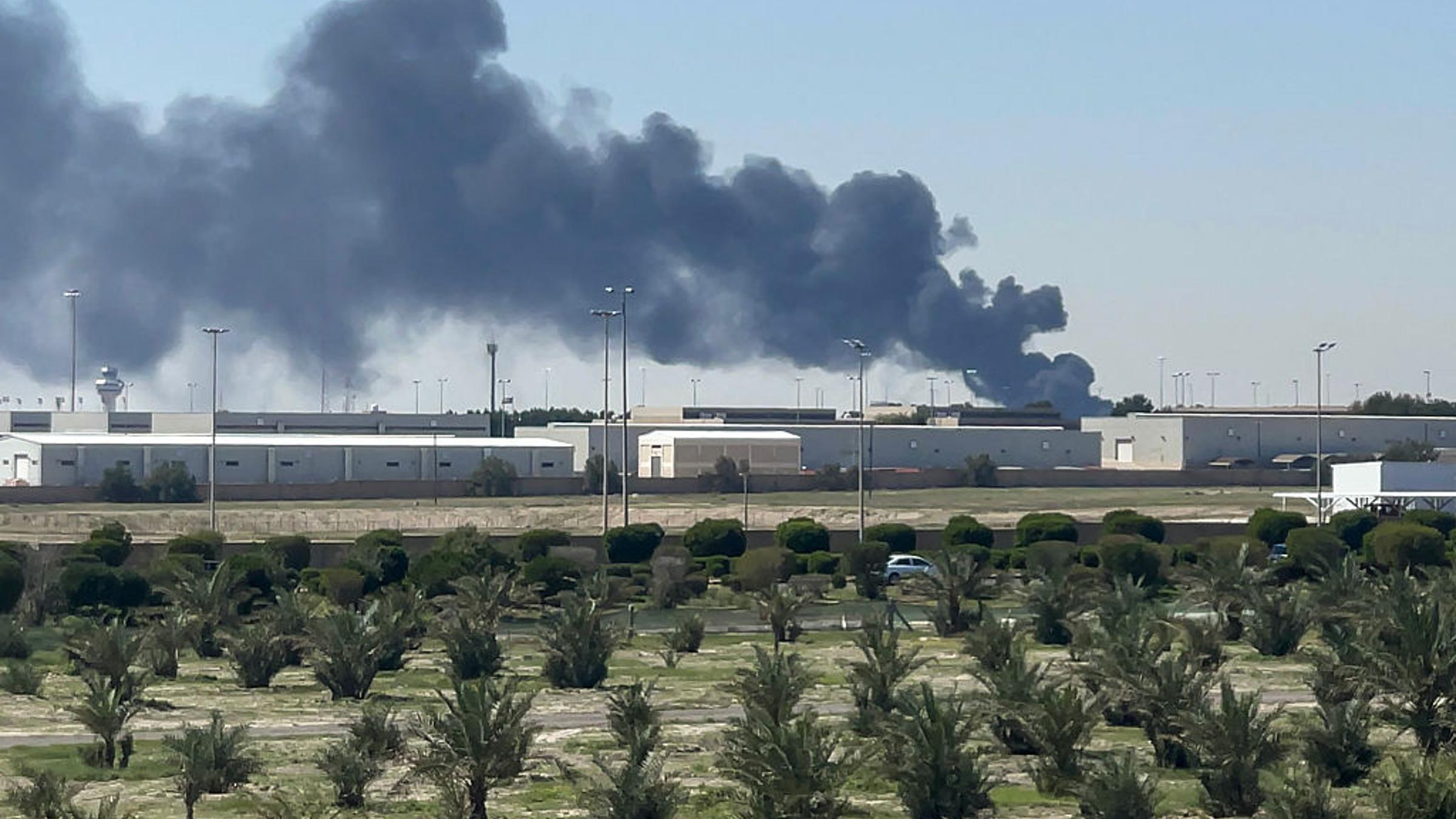
The IRGC's warning has been met with concern from the tech industry, with some companies, like **Intel**, stating that the safety and wellbeing of their team is
Summary
The IRGC's warning has been met with concern from the tech industry, with some companies, like **Intel**, stating that the safety and wellbeing of their team is their number one priority. The situation is being closely monitored by governments and industry leaders, with many calling for a peaceful resolution to the conflict. The conflict has also raised questions about the role of technology in modern warfare, with companies like **Palantir** and **Microsoft** facing scrutiny over their alleged links to the Israeli military. For more information on the tech industry's response, see [[tech-industry-response|Tech Industry Response]]. The situation remains volatile, with the potential for further escalation and retaliation. As the conflict continues to unfold, it is essential to consider the perspectives of all parties involved, including the **Iranian government**, the **U.S. government**, and the **tech industry**.
Key Takeaways
- The IRGC has released a list of 18 potential targets for retaliation, including major U.S. tech firms
- The conflict between the U.S., Israel, and Iran has significant implications for global stability and energy markets
- The tech companies on the list have denied allegations of involvement in military applications
- The situation is complex, with multiple factors at play, and a peaceful resolution is the best outcome
- The conflict has significant implications for the global tech industry and the economy
Balanced Perspective
The situation is complex, with multiple factors at play. The IRGC's threat is a serious concern, but it is also possible that it is a bluff. The tech companies on the list have denied allegations of involvement in military applications, and it is unclear what specific actions the IRGC plans to take. The conflict is part of a larger geopolitical landscape, with many countries and interests involved. To better understand the conflict, it is essential to consider the historical context, including the **Iran-Iraq War** and the **Gulf War**. The conflict has also raised questions about the role of **artificial intelligence** and **cybersecurity** in modern warfare.
Optimistic View
The IRGC's threat may be a negotiating tactic to pressure the U.S. and Israel to end the war. With **President Trump** suggesting a potential end to the conflict, there is a possibility for a peaceful resolution. The tech companies on the list may be able to use their influence to promote diplomacy and avoid further escalation. For example, **Google** and **Microsoft** have previously used their platforms to promote peace and understanding in conflict zones. Additionally, the international community, including organizations like the **United Nations**, may be able to play a role in mediating the conflict and finding a peaceful solution.
Critical View
The IRGC's threat is a serious escalation of the conflict, and the tech companies on the list are at risk of being targeted. The situation is further complicated by the mixed messages from **President Trump**, which may embolden the IRGC to take action. The conflict has the potential to spread beyond the Middle East, with global implications for the tech industry and the economy. The IRGC's threat may also be a sign of a broader strategy to target U.S. interests and allies, including **Israel** and **Saudi Arabia**. For more information on the potential consequences of the conflict, see [[global-economy|Global Economy]] and [[middle-east-stability|Middle East Stability]].
Source
Originally reported by Time Magazine